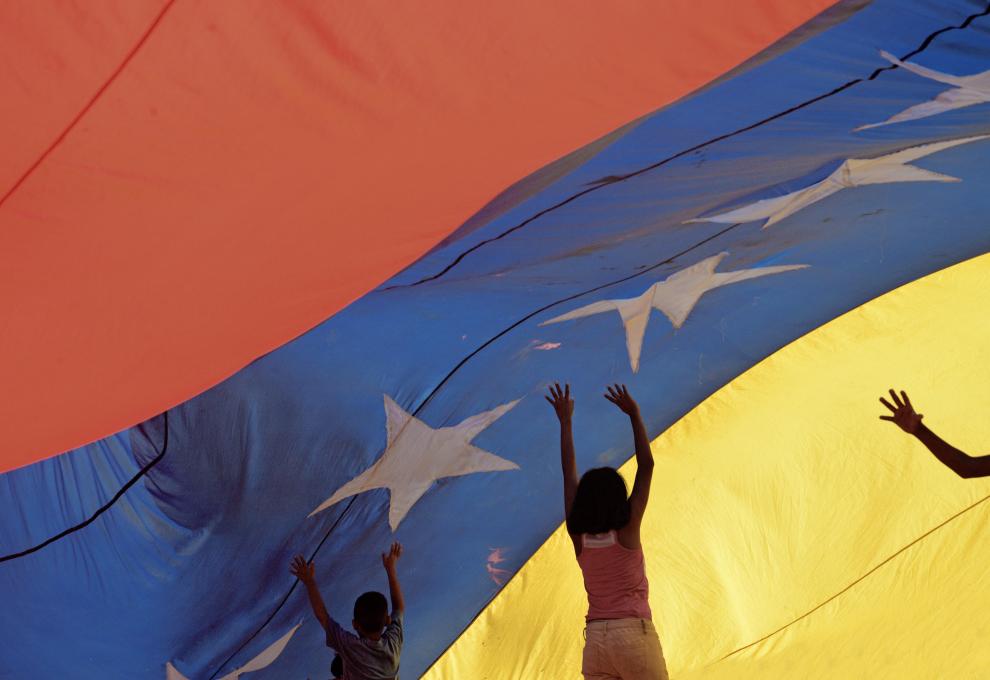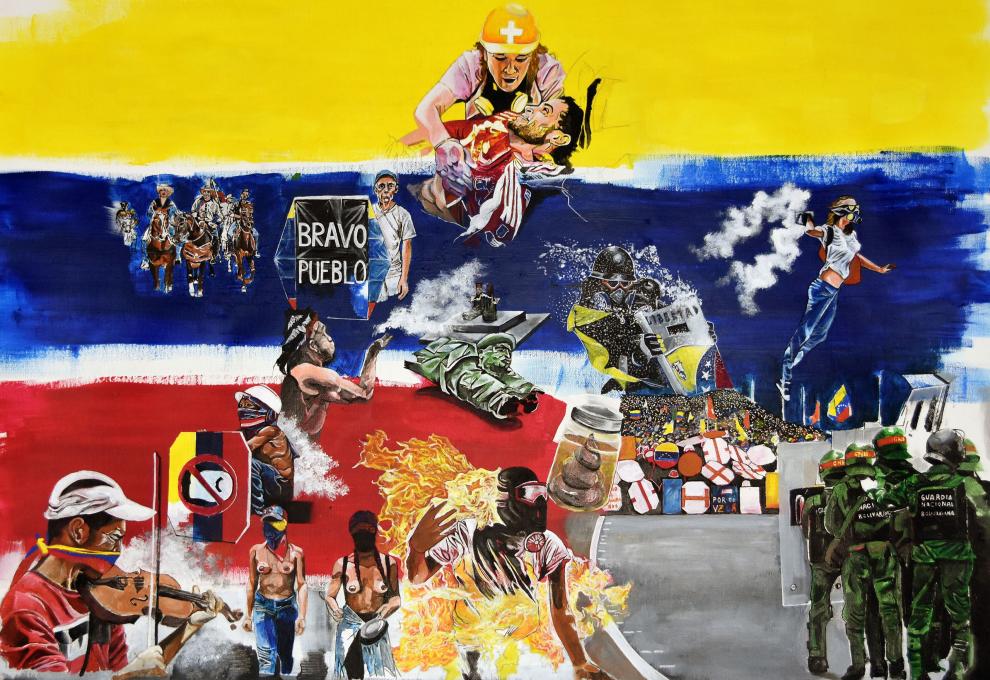
Brazil elected Bolsonaro as its new president. What does the future of freedom in the country look like?

Jair Bolsonaro, a nostalgic of the military dictatorship, elected this Sunday 28th president of the biggest Latin American nation, promised to "change the destiny of Brazil", after an aggressive campaign that exposed the resentments of the majority of the population against the status quo that governed the country for 14 years. The captain of the Army reserve, candidate for the PSL, had 57.8 million votes (55.1%) against 47 million of his adversary, the socialist from the Worker’s Party (PT)  Fernando Haddad (44.9%).

✈️ Innovation in Aviation: Testing the Bombardier CS100

Flight experiences on short- and medium haul itineraries in Europe rarely differ much. By introducing the CS100 Canada's Bombardier aims to challenge the notion that the narrow body market became commoditized. We were skeptical if there's any room for actual inflight innovation in the field of narrow body jets and thus went on and reviewed this new plane comparing it with the most successful planes of all times.

Phone cameras have become little helpers in engaging with law enforcement

Remember when the first mobile phones came with integrated cameras? A revolutionary concept to many people, which begged many to ask the question why a camera was necessary in a mobile in the first place? Didn't we have proper cameras for that. And indeed, the first phone cameras didn't really prove to be very effective.

Who replaces entertainment funding? Streamers have part of the answer

Back in November, I wrote an FTN piece about the fight of students such as Frédéric Jollien, against the mandatory media royalties in Switzerland. They campaigned for the abolishing of a yearly tax of 450 CHF (€385/$453), used to finance public TV and radio stations. One of the most vile criticisms howled at them was that such a move would get rid of these public broadcasters and their cultural enrichment.